Minimalist Home Decor Ideas: Creating Serenity Through Simplicity
Have you ever walked into a space that instantly made you feel calm and centered? That's the magic of minimalist home decor. In a world filled with constant noise and clutter, minimalist design offers a breath of fresh air—a deliberate choice to focus on what truly matters. But minimalist home decor is more than just a trend; it's a lifestyle philosophy that transforms how we live and interact with our spaces.
Minimalist home decor isn't about stark white rooms or empty spaces. It's about intentionality, functionality, and creating environments that nurture rather than overwhelm. Whether you're looking to completely overhaul your living space or simply incorporate a few minimalist principles, this guide will walk you through everything you need to know about creating a serene, minimalist home.
The Philosophy Behind Minimalist Home Decor
Minimalist home decor is rooted in the principle of "less is more." This philosophy emerged from various cultural movements, including Japanese Zen principles and the mid-century modern design movement. At its core, minimalist design strips away the unnecessary, leaving only what serves a purpose or brings genuine joy.
The beauty of minimalist home decor lies in its ability to create visual breathing room. When we surround ourselves with fewer items, each piece can truly shine and contribute to the overall aesthetic. This approach isn't about deprivation—it's about making room for what matters most. Many people find that embracing minimalist home decor leads to reduced stress, improved focus, and a greater appreciation for the items they do choose to keep.
Minimalist design also aligns with sustainable living practices. By purchasing fewer, higher-quality items and focusing on longevity rather than trends, minimalist home decor can actually be more environmentally friendly than constantly updating your space with fast furniture and decor.
Essential Principles of Minimalist Home Decor
Embrace a Neutral Color Palette
One of the foundational elements of minimalist home decor is a neutral color palette. Whites, creams, grays, and soft earth tones create a calm, cohesive backdrop that allows your space to feel open and airy. These colors reflect light beautifully, making rooms appear larger and more inviting.
However, neutral doesn't mean boring. You can create depth and interest by layering different shades of the same color family. For example, combine warm whites with soft beiges and light taupes for a sophisticated, monochromatic look. Add texture through natural materials like linen, wool, and wood to prevent the space from feeling flat or sterile.
Focus on Quality Over Quantity
In minimalist home decor, every item should serve a purpose or bring you joy. This principle encourages investing in fewer, higher-quality pieces rather than filling your space with inexpensive, trend-driven items. A well-crafted sofa, a solid wood dining table, or a timeless piece of art can become the focal points of your minimalist space.
When selecting items for your minimalist home, consider their craftsmanship, materials, and longevity. Quality pieces not only look better but also tend to age more gracefully, developing character over time rather than showing wear and tear.
Maximize Natural Light
Natural light is a crucial element in minimalist home decor. It enhances the sense of space, highlights textures and materials, and creates a connection to the outdoors. To maximize natural light, keep window treatments minimal or opt for sheer fabrics that filter light while maintaining privacy.
If your space lacks abundant natural light, strategically placed mirrors can help bounce light around the room. Choose mirrors with simple, clean frames that complement your minimalist aesthetic. Additionally, consider light-colored flooring and walls, which will reflect rather than absorb light.
Declutter and Organize
The heart of minimalist home decor is intentional decluttering. This doesn't mean removing everything you own, but rather curating your belongings to include only what you truly need and love. Start by evaluating each item in your space: Does it serve a purpose? Does it bring you joy? If the answer to both questions is no, it might be time to let it go.
Effective organization is key to maintaining a minimalist space. Invest in smart storage solutions that keep everyday items out of sight but easily accessible. Built-in shelving, hidden storage ottomans, and multi-functional furniture can help you maintain clean lines and uncluttered surfaces.
Minimalist Home Decor Ideas for Every Room
Living Room: The Heart of Minimalist Design
The living room is often the centerpiece of minimalist home decor, as it's where we gather, relax, and entertain. Start with a neutral foundation: a comfortable sofa in a solid color, paired with a simple coffee table and clean-lined chairs. Choose furniture with exposed legs to create a sense of openness and allow light to flow through the space.
For textiles, stick to natural materials in solid colors or subtle patterns. A wool rug in a light neutral can anchor the seating area without overwhelming it. Add visual interest through texture rather than pattern—think a chunky knit throw, linen pillows, or a woven basket.
When it comes to wall decor, minimalist home decor often favors a single large piece of art or a carefully curated gallery wall with plenty of negative space between frames. Avoid cluttering surfaces with knick-knacks; instead, choose a few meaningful objects to display, such as a sculptural vase or a cherished book collection.
Bedroom: Creating a Serene Sanctuary
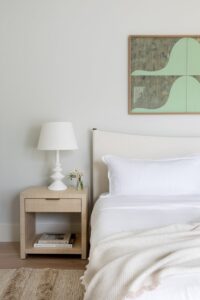
The bedroom should be a peaceful retreat, making it perfect for minimalist home decor. Start with the bed—the focal point of the room. Choose bedding in soft, natural fabrics like organic cotton or linen in calming colors. A platform bed with a simple headboard or no headboard at all can enhance the minimalist aesthetic.
Keep nightstands clutter-free with just the essentials: a lamp, a book, and perhaps a small plant or meaningful object. Built-in closets or streamlined wardrobes can hide clothing and personal items, maintaining the clean, uncluttered look that defines minimalist home decor.
Consider the power of negative space in your bedroom. Leaving one wall bare or keeping the area above your bed free of artwork can actually make the room feel more spacious and calming. If you do choose to hang art, opt for pieces with soft, soothing imagery or abstract designs in your neutral color palette.
Kitchen: Functional Minimalism
Minimalist home decor in the kitchen focuses on clean lines, hidden storage, and functional beauty. Handleless cabinets, integrated appliances, and a monochromatic color scheme can create a sleek, modern look. Open shelving can work in minimalist kitchens, but be selective about what you display—perhaps a carefully arranged set of white dishes or a collection of glass jars filled with pantry staples.
Countertops should be kept as clear as possible, with only the most-used items remaining visible. Consider appliance garages or pull-out shelves to hide toasters, coffee makers, and other small appliances when not in use. A single, beautiful cutting board or a vase with fresh herbs can add warmth without clutter.
For backsplashes, large-format tiles or a continuous slab of material (like quartz or marble) can create a seamless look that's quintessential to minimalist home decor. Under-cabinet lighting can highlight your workspace while adding a soft glow to the room.
Bathroom: Spa-Like Simplicity
Minimalist home decor transforms the bathroom into a spa-like retreat. Start with a simple color palette—whites, soft grays, and natural stone tones work beautifully. Floating vanities can create the illusion of more space while providing necessary storage.
Keep countertops clear except for perhaps a single plant, a beautiful soap dispenser, or a carefully folded set of luxury towels. Use matching containers for toiletries to reduce visual clutter—think glass jars for cotton swabs, a ceramic tray for daily essentials.
For shower areas, frameless glass doors and large-format tiles minimize visual interruptions. A single, high-quality showerhead can be more impactful than multiple fixtures. Consider a simple teak bath mat or a woven basket for towels to add warmth and texture without overwhelming the space.
Incorporating Natural Elements in Minimalist Home Decor
The Beauty of Wood
Wood adds warmth and organic texture to minimalist home decor without compromising the clean aesthetic. Light woods like oak, maple, and ash work particularly well in minimalist spaces, as they contribute to the bright, airy feel. Consider a live-edge wood dining table, floating wood shelves, or wood flooring with a natural finish.
The key is to let the natural beauty of the wood shine through. Avoid heavy stains or ornate carvings that might detract from the minimalist sensibility. Instead, appreciate the grain patterns, knots, and subtle color variations that make each piece unique.
Plants: Living Art in Minimalist Spaces
Plants are perfect for minimalist home decor because they add life, color, and texture while maintaining the connection to nature that's central to minimalist philosophy. Choose plants with interesting shapes and architectural qualities, such as fiddle leaf figs, snake plants, or succulents.
The containers you choose are just as important as the plants themselves. Simple ceramic pots in neutral tones, concrete planters, or even a single glass vase with a single stem can enhance rather than detract from your minimalist aesthetic. Group plants thoughtfully, perhaps creating a small collection on a windowsill or a single statement plant in an empty corner.
Stone and Natural Textiles
Stone elements like marble countertops, slate tile, or a small stone sculpture can add sophisticated texture to minimalist home decor. These materials bring an earthy, grounding quality that prevents the space from feeling too stark or cold.
Natural textiles like wool, cotton, and linen add softness and warmth. A wool throw blanket draped over a simple chair, linen curtains that filter light beautifully, or cotton bedding in a soft weave can make a minimalist space feel inviting and comfortable rather than sterile.
Minimalist Home Decor on a Budget
Start with Decluttering
The most cost-effective way to embrace minimalist home decor is to start by decluttering what you already own. This free approach can dramatically transform your space without spending a dime. Remove items that don't serve a purpose or bring you joy, and you might find you already have everything you need.
As you declutter, you might discover forgotten treasures that can be repurposed or rearranged to give your space a fresh look. Sometimes, simply removing excess items and reorganizing what remains can achieve the minimalist aesthetic you're seeking.
DIY Minimalist Decor Projects
Many minimalist home decor elements can be created through simple DIY projects. A coat of white or light gray paint can instantly refresh old furniture. Creating your own artwork—whether abstract paintings, black and white photography, or simple line drawings—can provide personalized wall decor at a fraction of the cost of buying art.
Building simple floating shelves or a basic platform bed frame can give you custom pieces that fit your space perfectly. These projects often require minimal tools and materials, making them accessible even to those new to DIY.
Strategic Investments
When you do need to purchase items for your minimalist home decor, focus on strategic investments. Rather than buying many inexpensive pieces, save for one quality item that will serve as a focal point. This might be a comfortable sofa, a solid wood dining table, or a statement light fixture.
Consider shopping second-hand for high-quality pieces. Many classic designs and solid wood furniture can be found at thrift stores, estate sales, or online marketplaces at a fraction of their original cost. With some cleaning and perhaps a fresh finish, these pieces can become the foundation of your minimalist space.
Common Mistakes to Avoid in Minimalist Home Decor
Mistake 1: Thinking Minimalist Means Cold or Uninviting
One of the biggest misconceptions about minimalist home decor is that it results in cold, sterile spaces. The truth is that minimalist design can be incredibly warm and inviting when done correctly. The key is to incorporate texture, natural materials, and personal touches that reflect your personality and make the space feel like home.
Add warmth through layered textiles, plants, wood elements, and soft lighting. Include a few cherished items that tell your story—perhaps a handmade ceramic piece, a family heirloom, or travel souvenirs displayed thoughtfully.
Mistake 2: Buying Minimalist Furniture Without Considering Comfort
Another common error is prioritizing aesthetics over comfort in the name of minimalist home decor. While clean lines and simple forms are important, your space should still be livable and comfortable. A beautiful sofa that's too firm to relax on, or a dining chair that's uncomfortable for long meals, defeats the purpose of creating a welcoming home.
Always test furniture for comfort before purchasing, and consider how you actually live in your space. If you love movie nights with family, make sure your seating accommodates that. If you enjoy cooking, ensure your kitchen layout supports your culinary activities.
Mistake 3: Over-Correcting and Creating Visual Boredom
While minimalist home decor emphasizes simplicity, going too far can result in spaces that feel empty or boring. The goal is to find the right balance between minimalism and livability. This might mean keeping a few more decorative items than strict minimalism would allow, or choosing furniture with subtle details rather than completely plain pieces.
Remember that minimalist home decor should enhance your life, not restrict it. If a completely bare coffee table makes you feel like your space isn't lived-in enough, add a single coffee table book or a small plant. The best minimalist spaces feel intentional and personal, not like a showroom.
Maintaining Your Minimalist Home Decor
Daily Habits for Clutter Prevention
Maintaining minimalist home decor requires consistent, small efforts rather than occasional major decluttering sessions. Develop daily habits like putting items back in their designated places, handling mail immediately rather than letting it pile up, and doing quick evening tidies of common areas.
Consider implementing a "one in, one out" rule: when you bring a new item into your home, remove a similar item. This prevents gradual accumulation of belongings and helps maintain the clean, uncluttered look that defines minimalist home decor.
Seasonal Assessments
Even in a minimalist home, our needs and preferences change with the seasons. Schedule brief seasonal assessments to evaluate your space and make adjustments. This might involve rotating textiles (like switching to lighter fabrics in summer and cozier materials in winter), reassessing storage needs, or updating decor to reflect seasonal changes.
These regular check-ins help ensure your minimalist home decor continues to serve you well and prevents the slow creep of clutter that can happen even in intentionally designed spaces.
Conclusion
Minimalist home decor is more than just an aesthetic choice—it's a way of creating spaces that support and enhance your lifestyle. By focusing on quality over quantity, embracing neutral palettes, maximizing natural light, and incorporating natural elements, you can create a home that feels both serene and personal.
Remember that minimalist home decor isn't about following rigid rules or creating a space that looks like a catalog photo. It's about intentionally choosing what surrounds you, creating breathing room both physically and mentally, and designing a home that truly serves your needs.
Whether you're ready to fully embrace minimalist principles or simply want to incorporate a few minimalist touches, the journey toward simpler, more intentional living can transform not just your space, but your overall quality of life. Start small, be patient with the process, and enjoy creating a home that brings you peace and joy through the beauty of simplicity.