Modern Minimalist Home Decor: 15 Essential Ideas For A Serene Living Space
Are you tired of cluttered rooms and overwhelming decor choices? Do you dream of a home that feels calm, spacious, and effortlessly stylish? Modern minimalist home decor might be exactly what you need. This design philosophy isn't just about having less—it's about making room for what truly matters and creating a sanctuary that promotes peace and clarity.
In today's fast-paced world, our living spaces have become more important than ever. They're not just places to sleep and eat; they're our retreats from the chaos outside. A minimalist approach to home decor can transform your environment into a haven of tranquility, where every element serves a purpose and contributes to an overall sense of harmony.
But what exactly defines modern minimalist home decor? It's characterized by clean lines, neutral color palettes, functional furniture, and a "less is more" mentality. However, achieving this aesthetic isn't about stripping your home bare—it's about thoughtful curation and intentional design choices. Ready to discover how you can embrace this timeless style? Let's explore 15 essential ideas that will help you create a modern minimalist home that's both beautiful and functional.
Understanding the Principles of Minimalist Design
Before diving into specific decor ideas, it's crucial to understand the core principles that guide minimalist design. These foundational concepts will help you make informed decisions as you transform your space.
The Philosophy of "Less is More"
At its heart, minimalism embraces the philosophy that less is more. This doesn't mean your home should feel empty or sterile, but rather that every item should earn its place. Each piece of furniture, decor item, and even architectural element should serve a clear purpose or bring genuine joy. This principle encourages you to be more intentional with your choices, leading to a home that feels curated rather than cluttered.
Quality Over Quantity
Minimalist design prioritizes quality over quantity. Instead of filling your space with numerous inexpensive items, invest in fewer, well-made pieces that will stand the test of time. This approach not only creates a more cohesive aesthetic but also proves more sustainable in the long run. High-quality materials and craftsmanship become the focal points, allowing their inherent beauty to shine without competition from excess.
Functionality as a Priority
Every element in a minimalist home should serve a function, whether practical or aesthetic. This doesn't mean your space can't be beautiful—in fact, minimalist design often achieves a stunning visual impact through its simplicity. The key is ensuring that beauty doesn't come at the expense of usability. Furniture should be comfortable, storage should be efficient, and the overall layout should support how you actually live in your space.
Color Palettes for a Minimalist Home
Color plays a crucial role in establishing the serene atmosphere that defines minimalist design. The right palette can make your space feel larger, brighter, and more cohesive.
Neutral Foundations
Neutral colors form the backbone of minimalist color schemes. Think whites, beiges, grays, and soft earth tones. These hues create a calm backdrop that allows architectural features and carefully selected furnishings to take center stage. A predominantly neutral palette also makes it easier to incorporate seasonal changes or personal touches without disrupting the overall aesthetic.
Strategic Use of Color
While neutrals dominate, minimalist design isn't limited to an all-white palette. Consider incorporating muted tones like sage green, dusty blue, or warm terracotta as accent colors. These can add depth and interest without overwhelming the space. The key is to use color strategically—perhaps through a single statement piece of furniture, a piece of artwork, or textiles like throw pillows and rugs.
Monochromatic Schemes
For a particularly sophisticated minimalist look, explore monochromatic color schemes. This involves using varying shades and tones of a single color throughout your space. For example, a bedroom might feature everything from the lightest cream to the deepest charcoal, all within the same color family. This approach creates visual interest while maintaining the calm, cohesive feel that minimalism strives for.
Furniture Selection and Placement
The furniture you choose and how you arrange it can make or break your minimalist aesthetic. Thoughtful selection and strategic placement are essential.
Choosing the Right Pieces
When selecting furniture for a minimalist home, look for pieces with clean lines and simple silhouettes. Avoid ornate details, excessive ornamentation, or busy patterns. Instead, opt for furniture that showcases quality materials and craftsmanship. A solid wood dining table with a simple design often makes more impact than one with intricate carvings. Similarly, a streamlined sofa in a neutral fabric can anchor your living room without overwhelming it.
Multi-Functional Furniture
In minimalist design, multi-functional furniture is your best friend. Pieces that serve multiple purposes help reduce clutter and maximize space efficiency. Consider a coffee table with built-in storage, a bed with drawers underneath, or an ottoman that opens up to reveal hidden compartments. These smart solutions allow you to maintain a clean, uncluttered look while still having everything you need within reach.
Strategic Placement
How you arrange your furniture is just as important as what you choose. In minimalist design, negative space (the empty areas around and between objects) is as valuable as the furniture itself. Resist the urge to push all your furniture against the walls or fill every corner. Instead, create breathing room between pieces, allowing each item to stand on its own. This thoughtful placement contributes to the sense of calm and order that defines minimalist spaces.
Decluttering and Organization
Minimalism and decluttering go hand in hand. Creating a serene, minimalist home often requires letting go of excess and implementing smart organizational systems.
The Decluttering Process
Begin your minimalist journey with a thorough decluttering session. Go through each room and evaluate every item: Does it serve a purpose? Do you truly love it? If the answer to both questions is no, it might be time to let it go. Be ruthless but realistic—minimalism isn't about deprivation, but about surrounding yourself only with things that add value to your life.
Smart Storage Solutions
Even in a minimalist home, you need places to store everyday items. The key is choosing storage solutions that blend seamlessly with your decor. Built-in shelving, hidden cabinets, and furniture with integrated storage can keep necessities out of sight while maintaining clean lines. Consider storage baskets in natural materials like woven grass or linen to add texture without visual clutter.
Maintaining Minimalism
Once you've achieved your minimalist ideal, the challenge becomes maintaining it. Implement a "one in, one out" rule—when you bring something new into your home, let something else go. Regularly reassess your belongings and be mindful of new purchases. Remember, minimalism isn't a one-time project but an ongoing practice of intentional living.
Lighting in Minimalist Spaces
Lighting can dramatically affect the mood and functionality of your minimalist home. The right lighting strategy enhances both the aesthetic and practical aspects of your space.
Natural Light Maximization
Natural light is a cornerstone of minimalist design. It makes spaces feel larger, more open, and more connected to the outdoors. Maximize natural light by keeping window treatments minimal or using sheer fabrics that diffuse light without blocking it. Consider removing heavy curtains or blinds altogether if privacy isn't a concern. Strategically placed mirrors can also help bounce natural light deeper into your rooms.
Minimalist Light Fixtures
When it comes to artificial lighting, choose fixtures that align with minimalist principles. Look for designs with clean lines and simple forms. A single, striking pendant light can make more impact than multiple smaller fixtures. Consider track lighting or recessed ceiling lights for a streamlined look that provides ample illumination without visual clutter.
Layered Lighting Approach
While minimalist design favors simplicity, that doesn't mean you should rely on a single light source. Implement a layered lighting approach with ambient, task, and accent lighting. This allows you to create different moods and accommodate various activities while maintaining a cohesive look. For example, combine overhead lighting with strategically placed floor lamps and under-cabinet lighting in the kitchen.
Textures and Materials
Texture adds depth and interest to minimalist spaces, preventing them from feeling flat or sterile. The materials you choose can significantly impact the overall feel of your home.
Natural Materials
Natural materials are a perfect fit for minimalist design. Wood, stone, linen, wool, and leather bring warmth and authenticity to your space. A solid oak dining table, a marble countertop, or a wool area rug can serve as focal points while maintaining the clean aesthetic. These materials also age beautifully, developing character over time rather than looking worn out.
Mixing Textures
While minimalist design favors simplicity, incorporating a variety of textures can add richness to your space. Combine smooth surfaces like polished concrete or glass with rougher textures like a chunky knit throw or a jute rug. This interplay of textures creates visual and tactile interest without relying on color or pattern.
Quality Finishes
In minimalist design, the quality of materials and finishes becomes particularly important since there are fewer elements to distract the eye. Invest in high-quality finishes for elements like hardware, light fixtures, and even paint. A beautifully crafted door handle or a perfectly executed paint job can elevate the entire space.
Art and Decor in Minimalist Homes
Minimalist doesn't mean devoid of personality. Art and decor play important roles in creating a space that feels like home while maintaining a clean aesthetic.
Statement Artwork
In minimalist spaces, statement artwork can serve as a powerful focal point. A large-scale piece with a simple subject or abstract design can add visual interest without overwhelming the room. Consider a monochromatic photograph, a bold abstract painting, or even a textile hanging. The key is choosing something that resonates with you and complements your color scheme.
Thoughtful Decor Pieces
When it comes to decorative objects, quality trumps quantity. Rather than displaying numerous small items, choose a few meaningful pieces that truly speak to you. This might be a sculptural vase, a carefully selected book collection, or a family heirloom. Give these items room to breathe by spacing them out and avoiding clutter.
Plants as Living Art
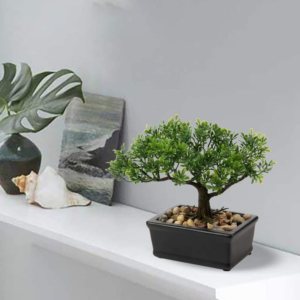
Plants are perfect for minimalist homes—they add life, color, and texture while maintaining a natural, organic feel. Choose architectural plants like fiddle leaf figs, snake plants, or succulents that make a statement without requiring excessive care. Consider using simple, high-quality planters that complement your overall aesthetic.
Creating Minimalist Outdoor Spaces
The minimalist aesthetic doesn't have to stop at your front door. Your outdoor spaces can also benefit from clean lines and thoughtful design.
Simplified Landscaping
Apply minimalist principles to your landscaping by choosing a simplified plant palette and creating clean lines with hardscaping elements. Consider gravel gardens, geometric pavers, or a single species of ornamental grass repeated throughout the space. This approach creates a calm, cohesive look that extends your minimalist interior to the outdoors.
Functional Outdoor Furniture
Select outdoor furniture that combines comfort with minimalist design. Look for pieces made from weather-resistant materials like teak, powder-coated aluminum, or all-weather wicker. Choose designs with simple silhouettes that can withstand the elements while maintaining their aesthetic appeal.
Seamless Indoor-Outdoor Flow
Create a sense of continuity between your indoor and outdoor spaces by using similar color palettes and materials. Large glass doors that can be fully opened help blur the lines between inside and outside, making both areas feel larger and more connected. This seamless flow is a hallmark of modern minimalist design.
Conclusion
Embracing a modern minimalist aesthetic for your home is about more than just following a trend—it's about creating a space that supports your well-being and reflects your values. By focusing on quality over quantity, choosing a thoughtful color palette, selecting purposeful furniture, and maintaining a clutter-free environment, you can transform your home into a serene sanctuary.
Remember that minimalism looks different for everyone. The goal isn't to create a home that looks like a magazine spread, but rather one that feels right for you. Start small, perhaps with a single room or even just a corner, and gradually incorporate these principles throughout your space. As you edit your belongings and make more intentional choices, you'll likely find that minimalism extends beyond your home decor into other aspects of your life.
The beauty of minimalist design lies in its timelessness and adaptability. While trends come and go, the principles of simplicity, functionality, and intentionality remain constant. By creating a home that embodies these values, you're not just following a design philosophy—you're crafting a living space that will serve you well for years to come. So take a deep breath, clear some space, and begin your journey toward a more minimalist, more mindful home.